Unlock Your 7-Day Free Trial with Free Credits!
Get Started for Free



WhatsApp Marketing in India: What You Need to Know
September 26, 2026
.
10 Min


WhatsApp Marketing in India helps businesses use WhatsApp for sales, support, updates, promotions and customer engagement through automation, approved templates and the WhatsApp Business API.
Key benefits:
- Automation: Manage order updates, COD verification, cart recovery and reminders.
- Personalised Messaging: Use simple, human conversations with rich media and regional languages.
- Scalable Communication: Manage multiple agents, CRM integrations and large customer volumes.
- Consent-Based Marketing: Use clear opt-ins, respectful messaging and easy opt-outs.
- Performance Tracking: Monitor delivery, replies, clicks and sales.
- Pricing Planning: Understanding WhatsApp API pricing in India helps businesses choose the right platform and scale efficiently.

If you are in India, you already know how big WhatsApp is. It is not just an app here. It is part of daily life. People use WhatsApp to chat with family, share memes, send documents, manage societies, talk to vendors and even run small shops.
Because of this, WhatsApp Marketing in India is not a future idea. It is happening right now, in every city and every tier of the country. From a local salon in Kochi to an e-commerce brand in Delhi, everyone is trying to reach customers where they already are… on WhatsApp.
In this guide, we will look at:
- Why WhatsApp Marketing works so well in India
- How Indian businesses are using it
- What tools you actually need
- the right way to get started
- best practices and common mistakes to avoid

Why WhatsApp Marketing works so well in India
There are a few simple reasons why WhatsApp Marketing has become so powerful in India.
First, everyone uses WhatsApp. People in India are comfortable with chatting on WhatsApp more than email or web forms. For many users, WhatsApp is the main communication platform. So if you are not present there as a business, you are missing a natural communication channel.
Second, customers in India love quick replies. They do not want to fill long forms or wait for email responses. A short message on WhatsApp feels easier and more human. When a brand replies fast and clearly, it creates trust.
Finally, data costs have dropped and smartphone usage has been increased over the years. This means audio messages, images, PDFs, catalogues and videos on WhatsApp feel normal, not heavy. That makes WhatsApp Marketing perfect for sending rich but simple content in India.
What exactly is WhatsApp Marketing in the Indian context
In simple words, WhatsApp Marketing means using WhatsApp to talk to your customers in a structured way, so you can support them, sell to them and keep them coming back.
In India, it usually looks like this:
- sending order updates and delivery alerts
- sharing offers and festive promotions
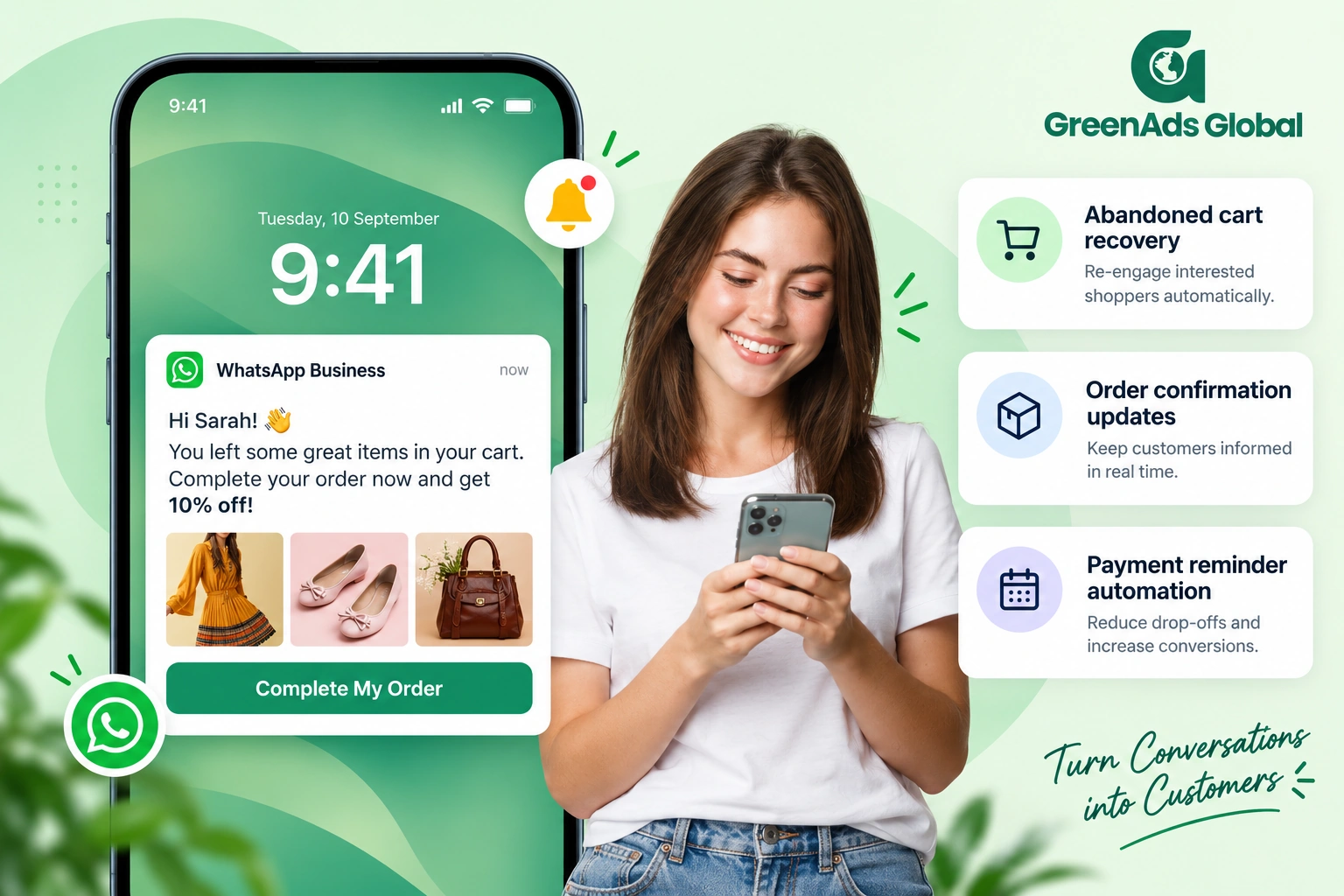
- recovering abandoned carts from your website or app
- confirming cash on delivery orders
- answering product or service questions in chat
- sending brochures, menus or price lists as PDFs
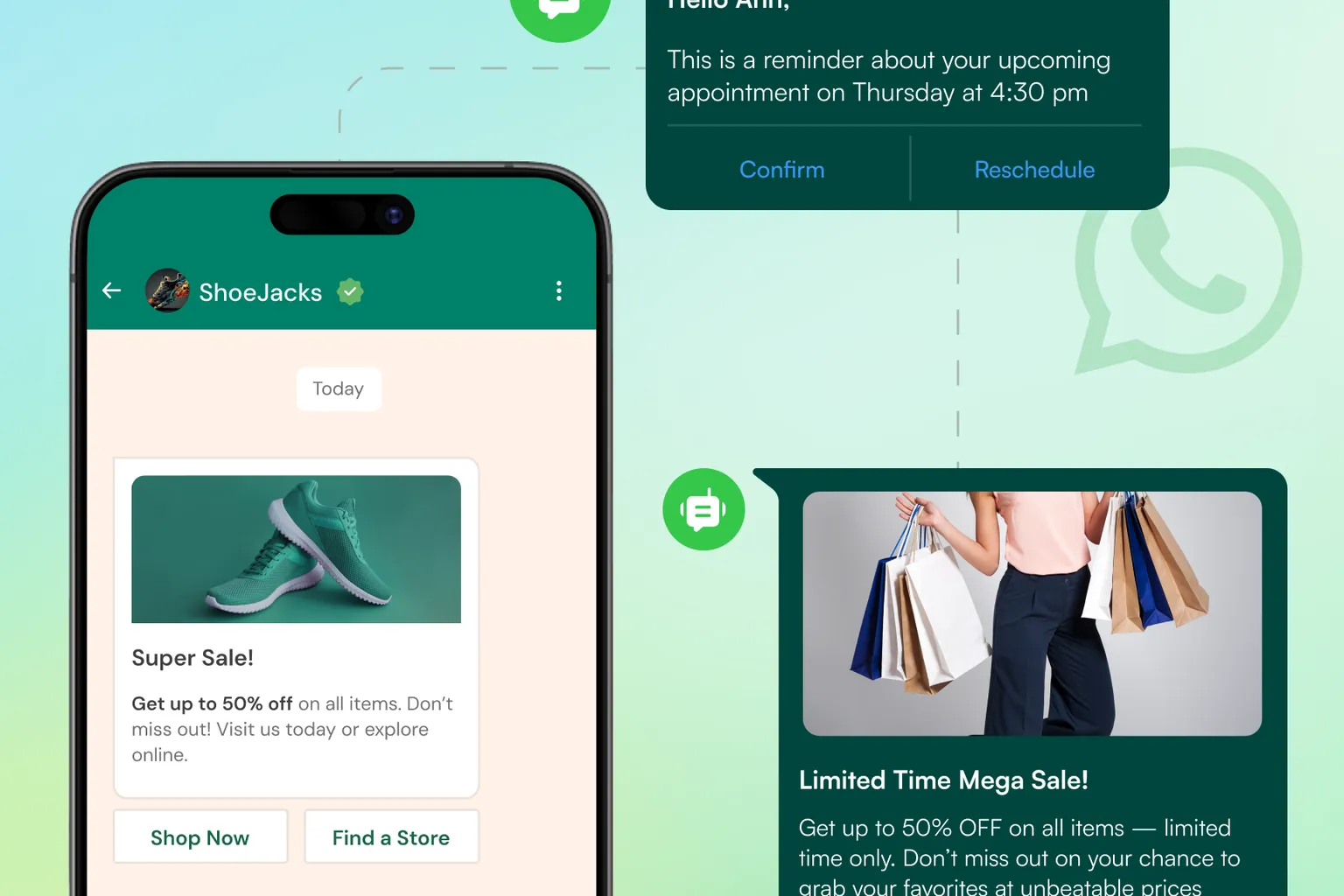
- giving appointment reminders or service follow-ups
The key idea is that you are not spamming people. You are running conversation-based marketing, not just blasting random messages.
WhatsApp Business App vs WhatsApp API in India
Many Indian businesses start with the WhatsApp Business App. It is free and easy. You can add a profile, quick replies and labels. For very small volumes, it is fine.
But as soon as you have more leads or more chats, you will hit limits:
- only one device
- no proper automation
- no advanced analytics
- no proper multi-agent handling
This is where the WhatsApp Business API and proper WhatsApp marketing software come in.
The software or platform you choose can also affect your overall WhatsApp costs, so WhatsApp API pricing in India should be evaluated together with the platform features your team actually needs.
WhatsApp Business App – good for
- solo founders
- very small shops
- low chat volume
- basic one-to-one support
WhatsApp Business API – better for
- ecommerce brands
- service businesses with many leads
- education, healthcare, real estate, finance
- teams with multiple agents
- any serious WhatsApp Marketing strategy in India
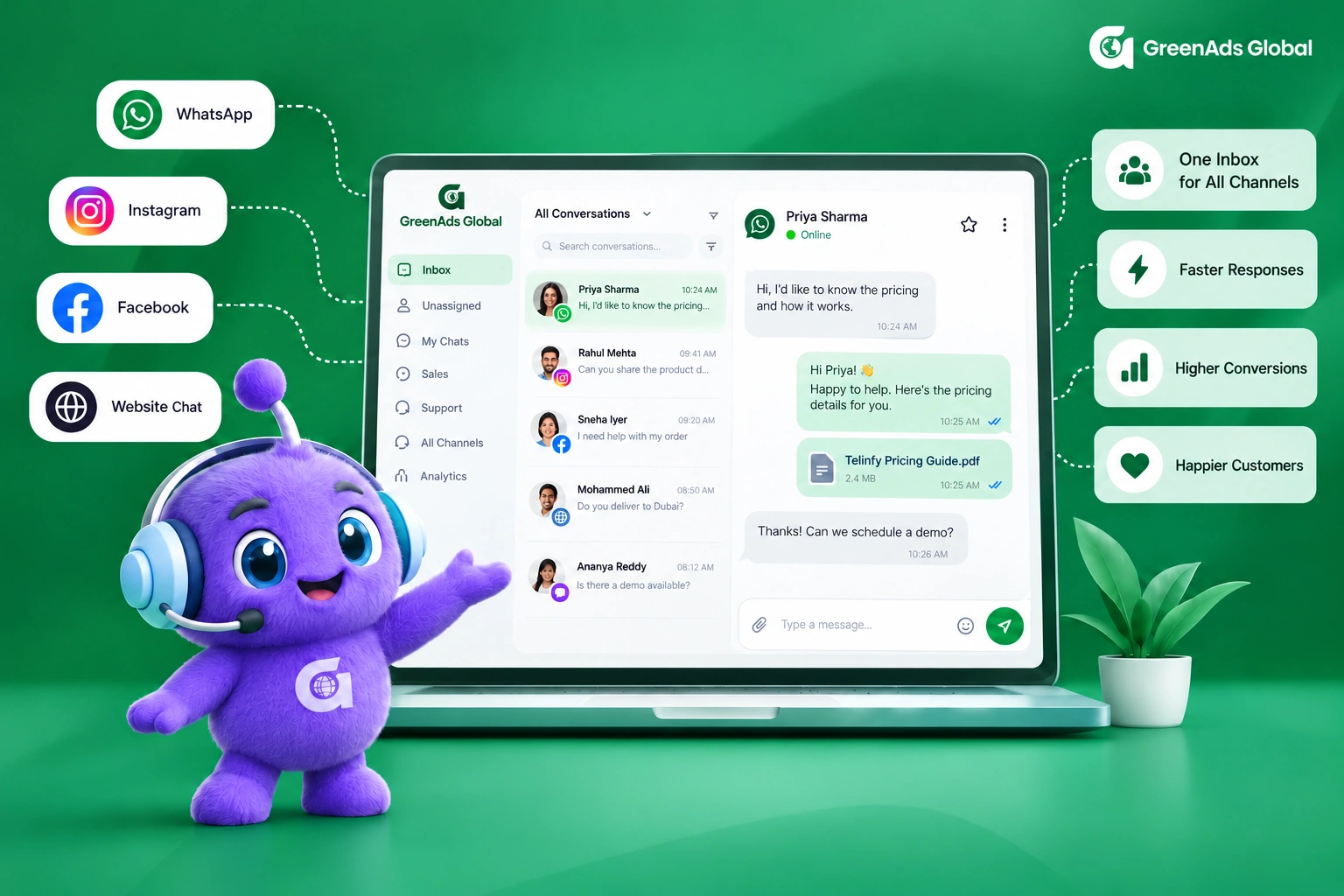
The API lets you plug WhatsApp into a platform where you can automate flows, send approved template messages, manage a team inbox and connect your CRM or website. This is how most high-growth businesses in India run structured WhatsApp Marketing.
Common WhatsApp Marketing Use Cases in India
Let us look at how different types of Indian businesses are using WhatsApp in real life.
1. Ecommerce and D2C brands
For online stores, WhatsApp Marketing is usually used for:
- order confirmation and shipping updates
- cash on delivery verification
- abandoned cart reminders
- new launch announcements
- sale and festival offers (Diwali, Onam, Eid, Pongal, etc.)
A simple WhatsApp message with the product image and a “Complete order” link often performs much better than an email reminder.
2. Local stores and service businesses
Salons, clinics, coaching centres, gyms and local shops in India use WhatsApp to:
- confirm and remind appointments
- send location pins
- share simple price lists or menus
- send photos of products in stock
- keep regular customers informed about offers
For many of them, WhatsApp has completely replaced SMS.
3. Real estate and property
Real estate companies in India use WhatsApp Marketing for:
- handling enquiries from portals and ads
- sending brochures and floor plans as PDFs
- sharing project videos and site photos
- fixing site visit dates and reminders
- sharing directions and location links
This works very well because buyers can forward these messages to family members and decision makers easily.
4. Education, coaching and training
Schools, colleges and coaching institutes in India use WhatsApp for:
- handling admission enquiries
- sending course details
- sending fee reminders
- sharing important dates and announcements
- supporting students with quick answers
Parents are very active on WhatsApp, so the response rate is high.
Key WhatsApp Marketing strategies for Indian businesses
Now, let us look at some simple strategies that work especially well in India.
1. Make opt-in very clear and very easy
In India, people are used to getting random promotional messages, so they are quick to block numbers that feel spammy. To build long-term WhatsApp Marketing success, you must get clear permission.
Add WhatsApp opt-in at:
- website forms (“Get updates on WhatsApp”)
- checkout (“Send my order updates on WhatsApp”)
- physical posters with QR codes in your store or office
- social media posts with a “Chat on WhatsApp” button
Always say what they will receive. Example:
“Get order updates, useful tips and early access to offers on WhatsApp. No daily spam.”
This one line can reduce frustration and increase trust.
2. Use automation for boring but important tasks
Indian teams are often small and busy. Manually sending every message is not realistic. With a good WhatsApp marketing tool, you can automate many basic flows:
- welcome messages after opt-in
- order confirmation and shipping alerts
- cash on delivery verification
- cart recovery reminders
- appointment confirmations and reminders
- Feedback requests after service
These flows are simple, but they remove a lot of manual work. Your team can then focus on real conversations that need human attention.
3. Speak like a human, not a template
Many Indian customers are sensitive to tone. If your WhatsApp Marketing messages sound like a stiff corporate script, they may ignore you. Use simple, human language that fits Indian style.
For example:
Instead of
“Dear customer, your order no. 3456 has been dispatched.”
Try
“Hi Rahul, your order is on the way 🙌 You can track it here.”
Small changes like using the name, adding a friendly line and including a link make a big difference.
You should still follow template rules on the WhatsApp Business API, but within those rules you can keep the tone warm and natural.
4. Use rich content in a smart way
In India, customers are comfortable with images, short videos, PDFs and voice notes. Good WhatsApp Marketing takes advantage of this but keeps things clean.
You can:
- send product pictures in cart reminders
- share short video demos for complex products
- send brochures or menus as PDFs
- use quick reply buttons for YES / NO / CALL ME
- send catalogues for people to browse
Avoid sending very long videos or heavy files unless really needed. Keep it light and focused on helping the customer decide.
5. Respect language and regional differences
India is not one market. There are many markets in one country. Language, tone and expectations change from region to region.
If your customers are from different states, think about:
- using simple English plus regional language where needed
- Having separate WhatsApp templates for Hindi, English, Tamil, Malayalam, etc.
- Adjusting festival campaigns for different regions
- understanding local buying patterns (for example, salary dates, local holidays, exam seasons)
This is where a thoughtful WhatsApp Marketing plan can give you an edge over national brands that treat India as one big block.
Tools you need for WhatsApp Marketing in India
To move beyond basic use and do real WhatsApp Marketing, you will need:
1. WhatsApp Business API access
This is usually provided by an official WhatsApp Business API Provider (BSP). They help you:
- Verify your business
- Connect your number to the API
- manage WhatsApp templates and approvals
Before choosing a provider, businesses should review WhatsApp API pricing in India along with API setup, template management and the support provided by the platform.
2. WhatsApp marketing software
On top of the API, you need a platform where your team can log in and work. Good software will give you:
- a shared team inbox for all chats
- tag and segment features
- template library and approval handling
- automation and flow builder
- basic to advanced reports
- integration with your website, Shopify, WooCommerce or CRM
3. Optional: CRM and analytics integration
If you want to go deeper, you can connect your CRM and analytics tools so that:
- WhatsApp conversations appear in each customer’s profile
- campaigns can be tracked against revenue
- you can see which WhatsApp flows bring the most sales or leads
This is how WhatsApp Marketing becomes a proper part of your sales and support system, not just another side activity.

How to get started with WhatsApp Marketing in India
Here is a simple step-by-step path you can follow.
Step 1: Define your first three use cases
Do not start with everything. Pick 2–3 use cases that will give quick value. For example:
- order updates
- cash on delivery confirmation
- cart recovery
- appointment reminders
- admission enquiry follow ups
Step 2: Choose a WhatsApp Marketing platform
Pick a trusted provider that:
- is an official WhatsApp API Provider or works closely with one
- understands Indian businesses
- supports India pricing, COD flows and local use cases
- has a simple, clean dashboard
Step 3: Set up opt-in and welcome messages
Add WhatsApp opt-in to your main touchpoints and create a friendly welcome flow. This ensures that every new contact gets a good first experience.
Step 4: Build core automation flows
Set up:
- order or booking notifications
- COD verification
- cart recovery
- feedback requests
Test each flow with your own number first and fix any issues before going fully live.
Step 5: Monitor, improve and then expand
Watch your numbers: delivery, reads, replies, clicks and sales. Once your basic flows are stable, slowly add more campaigns, such as festive offers or nurture sequences for leads.
Best practices for WhatsApp Marketing in India
To make your WhatsApp Marketing sustainable in India, keep these basic rules in mind:
- Always get clear consent before sending marketing messages
- Do not send too many promotions in a short time
- mix service messages (updates) with value messages (tips, reminders) and offers
- Keep language simple and human
- respect “STOP” or opt-out messages and remove those numbers
- Keep your templates short and focused on one action
Your goal is to be the brand whose messages people appreciate, not the one they mute.
Common mistakes Indian businesses make with WhatsApp Marketing
Many Indian businesses make the same errors when they start with WhatsApp.
- Buying random databases and blasting messages without consent
- Treating WhatsApp like bulk SMS, not a conversation channel
- Using only manual replies with no automation, leading to slow responses
- Ignoring customer replies and focusing only on one-way broadcasts
- Sending only discounts and never sharing value or helpful content
If you avoid these mistakes and follow a steady, respectful approach, WhatsApp will become one of your most reliable channels.
Final thoughts: The future of WhatsApp Marketing in India
WhatsApp is already huge in India, and it will only become more central to how people talk to businesses. As more brands run ads and more websites push traffic into WhatsApp, the winners will be the ones who use it thoughtfully.
If you treat WhatsApp Marketing as a way to have better conversations, not just more messages, you will build strong relationships with your Indian customers. With the right software, clear consent, smart automation and a human tone, WhatsApp can become the heart of your sales, support and retention strategy in India.
And as WhatsApp becomes a larger part of sales and customer support, understanding WhatsApp API pricing in India will help businesses plan their messaging strategy as they scale.
See how CRM events become customer communication
Open each workflow to see the trigger, live-data check, communication action and stopping condition.
New lead qualification
Abandoned cart follow-up
Appointment communication
Payment or renewal reminder
Should the next message still be sent?
Open a customer state to see how current CRM or commerce data should change the workflow.
Lead is already qualified
Customer completed the purchase
Appointment was cancelled
Payment is complete
₹ 899
₹ 2,249
₹ 3,149
$30
$50
Frequently Asked Questions
What is WhatsApp Marketing in India ?
WhatsApp Marketing in India means using WhatsApp in a structured way to communicate with customers, support them, promote products or services and encourage repeat business. Common uses include order updates, delivery alerts, festive promotions, abandoned cart reminders, appointment reminders, brochures, price lists and customer support.
Why is WhatsApp Marketing effective for Indian businesses ?
WhatsApp is widely used in India for everyday communication, and customers are comfortable receiving quick, conversational messages through the platform. Businesses can also share images, PDFs, catalogues, videos and other rich content, making WhatsApp suitable for sales, support and customer engagement.
What is the difference between the WhatsApp Business App and WhatsApp Business API in India ?
The WhatsApp Business App is suitable for solo founders, small shops, low chat volumes and basic one-to-one support. The WhatsApp Business API is better suited to businesses that need automation, approved template messages, multiple agents, team inboxes, CRM integrations and structured WhatsApp marketing at scale.
How should businesses evaluate WhatsApp API pricing in India ?
Businesses should evaluate WhatsApp API pricing in India together with the features provided by the platform, including automation, team inboxes, template management, reporting and integrations. API setup, provider support and the specific messaging requirements of the business should also be considered when choosing a platform.
What are common WhatsApp Marketing use cases in India ?
Indian businesses use WhatsApp Marketing for order confirmations, shipping updates, COD verification, abandoned cart reminders, appointment confirmations, admission enquiries, fee reminders, project brochures, product information, festive offers and customer support.
How can businesses get customer opt-in for WhatsApp Marketing ?
Businesses can collect WhatsApp opt-ins through website forms, checkout pages, QR codes at physical locations and social media buttons. Customers should be clearly told what type of WhatsApp messages they will receive before they opt in.
What WhatsApp Marketing automation can Indian businesses use ?
Businesses can automate welcome messages, order confirmations, shipping alerts, cash-on-delivery verification, cart recovery reminders, appointment confirmations, appointment reminders and feedback requests. Automation helps reduce repetitive manual work and allows teams to focus on customer conversations that need human attention.
What should businesses consider besides WhatsApp API pricing in India when selecting a provider ?
Along with WhatsApp API pricing in India, businesses should consider whether the provider understands Indian business requirements, supports local use cases such as COD flows, provides WhatsApp template management and offers a simple platform for managing customer conversations and campaigns.
What are the best practices for WhatsApp Marketing in India ?
Businesses should get clear customer consent, avoid sending too many promotions, keep messages simple and human, respect opt-out requests, use short templates focused on one action and balance promotional messages with useful updates, reminders and helpful content.
What common WhatsApp Marketing mistakes should Indian businesses avoid ?
Businesses should avoid buying random contact databases, sending messages without consent, treating WhatsApp like bulk SMS, relying only on manual replies, ignoring customer responses and sending only discounts without useful or relevant content. A respectful, conversation-focused approach can make WhatsApp a more reliable sales and support channel.
You may Also like
Book a One-to-One Meeting With Our Product Expert
Have questions? We have got answers! Connect with our product expert for a personalized demo session and discover the best messaging solutions for your business.

